Social media managers
Collect a timely reference, draft a post direction, and check whether the image works in a vertical feed while commuting or between meetings.
A clearer visual brief is ready before the desktop production block begins.
Mobile creative workflow
Freepik for android gives mobile-first creators a practical way to discover visual assets, refine ideas, and keep projects moving when the desktop is out of reach. Use the same workflow whether you are planning a post, briefing a client, or preparing a quick campaign draft.
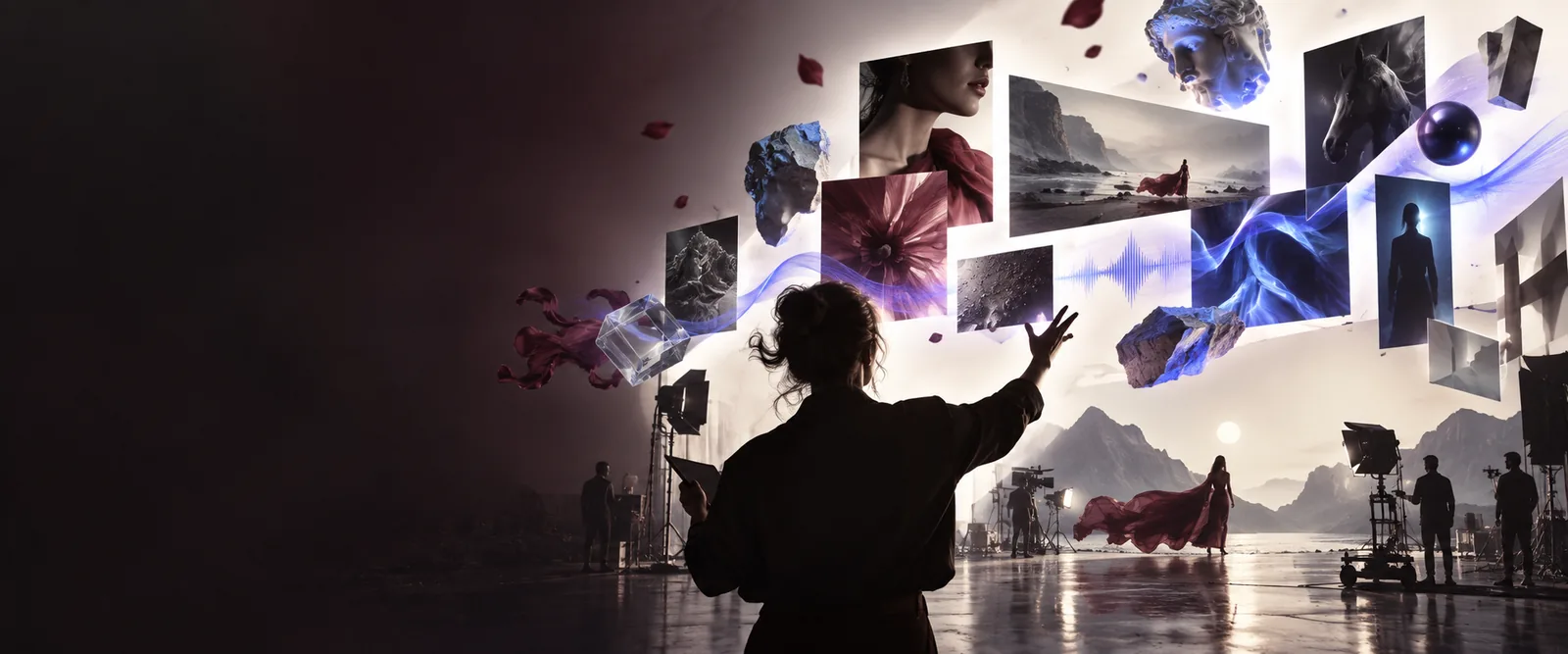
Audience workflow
The strongest mobile use cases begin with work people already do: collect references, develop a direction, and send a usable visual brief to the next person.
Collect a timely reference, draft a post direction, and check whether the image works in a vertical feed while commuting or between meetings.
A clearer visual brief is ready before the desktop production block begins.
Search for a starting point, compare visual styles, and save a promising direction before opening a full design application.
Early research becomes a focused shortlist instead of a scattered camera roll.
Turn a product idea into a quick campaign reference with imagery that can be reviewed on a phone by a partner or client.
Approval conversations can start from a concrete visual rather than a vague description.
Capture a concept while inspiration is fresh, then use the mobile workflow to shape a thumbnail, mood, or supporting image direction.
Useful ideas survive the gap between inspiration and the next editing session.
Workflow fit
Freepik for android is most useful as the mobile layer between an initial idea and a finished desktop deliverable. It supports decisions without pretending to replace every production tool.
| Mobile starting point | Desktop finishing point | |
|---|---|---|
| Best moment to use it | Reference gathering, concept capture, and quick visual review | Detailed composition, brand-system application, and final production |
| Primary input | Prompt, search idea, saved reference, or camera-roll context | Approved brief, source files, layout system, and production assets |
| Typical output | Shortlist, visual direction, draft concept, or review-ready reference | Final artwork, packaged campaign files, or channel-specific exports |
| Screen context | Phone display, touch controls, variable network conditions | Large monitor, precise pointer control, and organized project storage |
| Collaboration role | Share an early direction and collect quick reactions | Resolve detailed feedback and lock the production version |
| Handoff expectation | A useful idea or selected asset with enough context to continue | A finished file with confirmed dimensions, text, and delivery settings |
| Strongest advantage | Keeps creative momentum available away from the desk | Provides depth and precision for the final craft |
| Main limitation | Small screen and less room for side-by-side production work | Less convenient when the idea appears away from the workstation |
Mobile checkpoints
A mobile workflow can make the difference between losing an idea and arriving at the desktop with a direction already chosen.
Visual handoff
The mobile result should be easy to understand, easy to review, and specific enough for a designer or editor to continue without guessing.
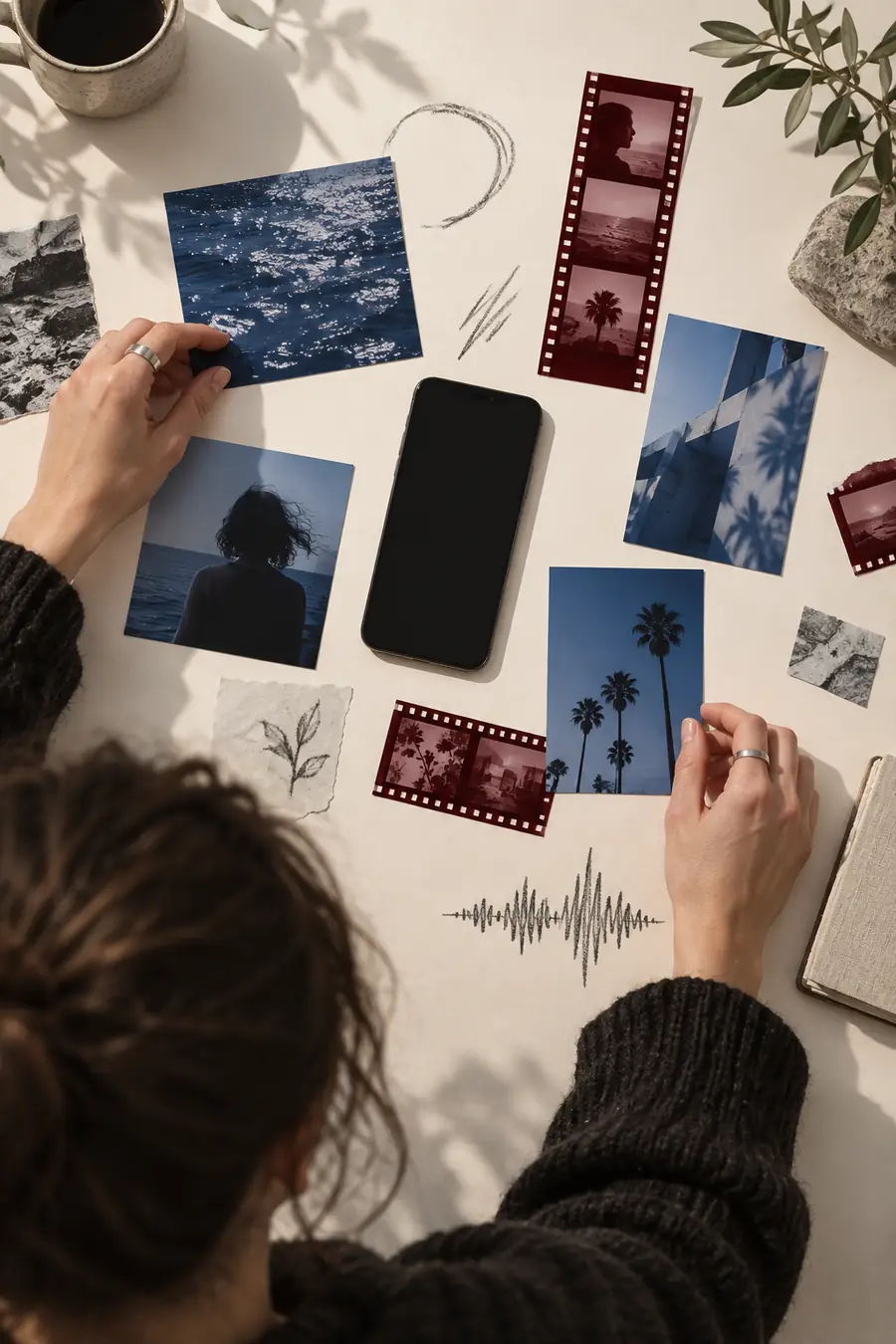
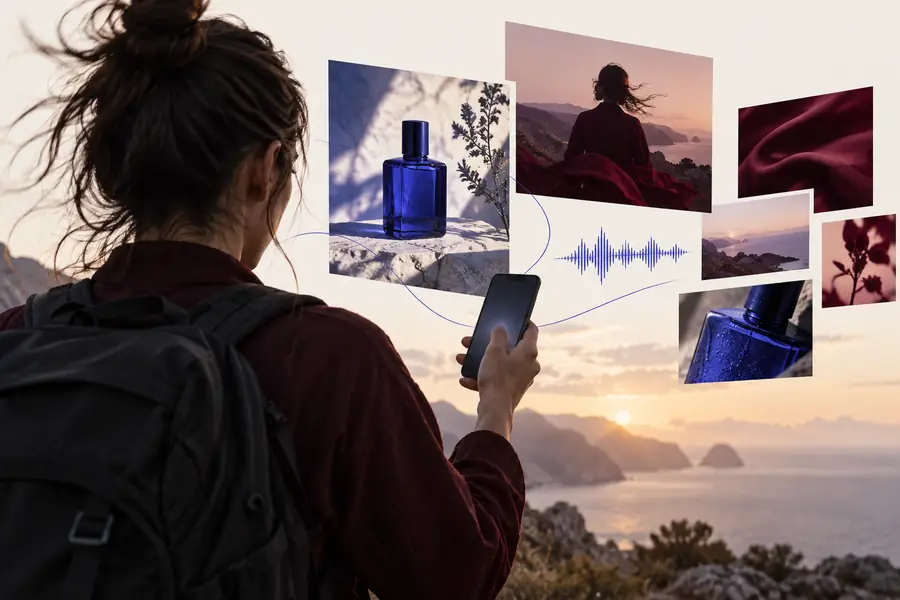
Before: capture the idea. After: hand off the chosen direction with its intended format, subject, mood, and next production step.
Mobile directionProduction-ready directionPlanning tool
Use the slider as a simple planning model for a mobile-first batch. It estimates review minutes and concept coverage so the handoff has a realistic scope; it is not a promise of platform performance.
frames
minutes
concepts
Keep creating
Start with one visual idea, make the intended format explicit, and use the mobile session to create a direction worth continuing. Freepik for android works best when it removes the pause between inspiration and a useful production brief.
Scenario FAQ
Answers for creators deciding where an Android workflow belongs in their everyday process.
Freepik for android is best used for mobile discovery, visual research, early concept development, and quick review. It can help you keep a project moving when you are away from a desktop workstation.
Yes, it can serve as the starting point for a design project by helping you collect references, shape a visual direction, and prepare a clearer brief. Detailed layout and final production may still be easier in a desktop workflow.
It can be useful when social content needs fast visual exploration or review in a phone-first context. Check the intended aspect ratio, text placement, brand requirements, and usage permissions before publishing.
Usually, it works better as a companion to desktop tools than as a complete replacement. Mobile is convenient for finding and judging ideas, while desktop software generally offers more room for precise editing, file organization, and final delivery.
Record the chosen subject, visual style, intended format, and next production step alongside the selected reference or concept. That small amount of context helps another creator continue the work without repeating the mobile research.